Longevity Haus Recovery & Wellness in Dr. Phillips, Orlando, offers Niagen therapy through intravenous (IV) infusion and intramuscular (IM) injection. Niagen contains nicotinamide riboside, a form of vitamin B3 that the body uses to produce NAD+, a coenzyme involved in cellular energy metabolism and other essential processes. Unlike traditional NAD+ therapy, which administers NAD+ itself, Niagen provides a precursor the body can use to produce its own NAD+.
Understanding these differences can help clients explore the available options and what current research tells us about each approach.
Niagen® is the branded form of nicotinamide riboside chloride, commonly called NR. NR is an NAD+ precursor, meaning the body can convert it into nicotinamide adenine dinucleotide (NAD+). NAD+ is found throughout the body and participates in biological processes involving energy metabolism, cellular maintenance, and normal cell function.
Researchers are interested in whether supporting NAD+ production through compounds such as NR could have meaningful health applications.
Although the names are related, they refer to different aspects of the product.
Niagen® is the branded nicotinamide riboside chloride ingredient.
Niagen Plus™ refers to prescription IV and injectable offerings containing Niagen.
These injectable formulations differ from oral nicotinamide riboside supplements, such as Tru Niagen®, which are taken by mouth.
Research involving oral supplements cannot automatically establish the effects or safety of intravenous or intramuscular administration.
Niagen and traditional NAD+ therapy are related, but they deliver different substances. Both involve NAD+ metabolism, although they use different approaches.
Traditional NAD+ therapy administers nicotinamide adenine dinucleotide itself. With intravenous administration, NAD+ enters the bloodstream without first passing through the digestive system. However, delivering NAD+ into the bloodstream does not necessarily mean intact NAD+ enters cells directly. Its breakdown and metabolism involve additional biological processes. Some people experience nausea, abdominal discomfort, cramping, or other unpleasant sensations during NAD+ infusions. These reactions can affect how comfortably an infusion is tolerated. Longevity Haus provides additional information about this option on its NAD+ Therapy page.
Niagen delivers nicotinamide riboside rather than NAD+ itself. The body can use NR as a building block in its natural NAD+ production pathways. Preliminary research suggests that intravenous NR may be better tolerated than traditional NAD+ infusions in certain circumstances. However, these findings do not establish that Niagen is clinically superior or will be better tolerated by everyone. The differences between these approaches are worth discussing when considering treatment options.
Longevity Haus offers Niagen through two administration methods: intravenous infusion and intramuscular injection. Both bypass the digestive system, but they differ in how the substance enters the body.
Intravenous Niagen is delivered through an IV line placed into a vein. The prescribed formulation enters the bloodstream over a controlled period. IV administration allows the infusion rate to be managed during the session.
The total appointment time depends on factors such as the formulation, prescribed protocol, and individual response. Because intravenous administration involves vascular access, appropriate professional administration and oversight are important.
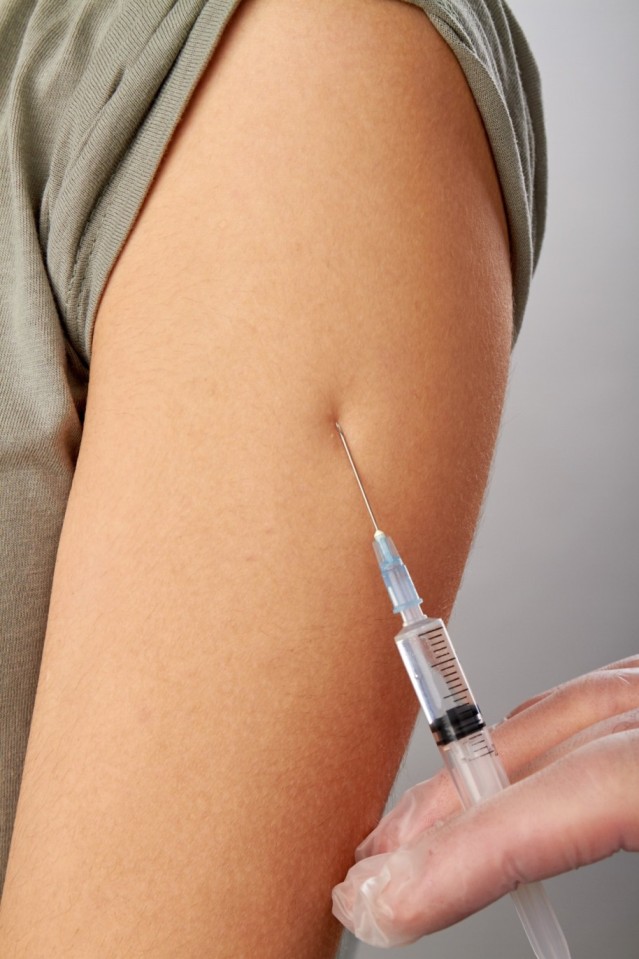
Intramuscular Niagen is administered through an injection into muscle tissue. Unlike an IV infusion, the medication is not delivered directly into a vein. It is absorbed from the injection site.
The injection itself generally takes less time to administer than an infusion, although the full appointment may involve additional assessment or observation. IM administration should not be assumed to produce identical blood levels, clinical effects, or tolerability compared with IV administration.
Neither IV nor IM Niagen has been established as universally superior.
Some clients prefer the experience of an infusion, while others are interested in an injection-based option. The appropriate approach depends on individual medical considerations and the prescribed formulation. Current research does not establish that one method consistently produces better wellness outcomes.
Nicotinamide riboside has attracted research interest because of its role in NAD+ production.
Most human studies have examined oral NR supplementation. Research has shown that oral NR can increase NAD+ measurements in blood, but evidence of improvements in health-related outcomes remains limited and mixed.
Research involving injectable Niagen is newer and less extensive.
A study published in Frontiers in Aging in February 2026 compared intravenous nicotinamide riboside with traditional NAD+ infusions. Researchers reviewed records from 14 participants with follow-up over 30 days.
Participants receiving NR generally reported milder infusion-related symptoms, while those receiving NAD+ experienced more significant discomfort, including gastrointestinal symptoms. The NR group also had shorter infusion times under the study conditions.
The study was small, retrospective, and nonrandomized. It received funding from Restore Hyper Wellness, Niagen Biosciences supplied the NR product, and the authors disclosed employment relationships with Restore Hyper Wellness. These findings are preliminary and do not establish superior clinical effectiveness or long-term safety. They also cannot automatically be applied to IM injections.
Additional research is needed to understand the long-term effects of injectable Niagen, including appropriate dosing, treatment frequency, and clinical outcomes.
Increasing NAD+ measurements does not establish that Niagen improves energy, sleep, cognition, physical recovery, or longevity. Those potential outcomes remain subjects of research rather than proven benefits of IV or IM Niagen therapy.
An initial consultation provides an opportunity to learn more about Niagen and consider whether IV or IM administration may be appropriate.
Clients often begin by asking how Niagen differs from NAD+ therapy or whether one administration method is preferable. An initial consultation offers an opportunity to discuss those questions, previous treatment experiences, and relevant health concerns.
Because injectable Niagen is a prescription service, medical suitability must be evaluated by an appropriate licensed healthcare professional. Relevant considerations include medical history, current medications, allergies, and previous reactions to infusions or injections.
Not everyone interested in Niagen will necessarily be an appropriate candidate.
The appointment experience depends on the method of administration. An IV infusion involves placing an intravenous line and delivering the prescribed formulation over a controlled period. An IM session involves administering the formulation through an injection into muscle tissue.
You may experience temporary sensations at the injection or infusion site. Some people receiving IV NR in preliminary studies have reported tingling or muscle cramping.
These procedures require appropriate professional administration or supervision. If discomfort or unusual symptoms occur, they should be reported during the session.

Temporary soreness, bruising, or irritation may occur around the injection or IV site.
Other reactions are possible, and the appropriate aftercare depends on the administration method and individual circumstances.
A qualified healthcare professional can explain any relevant precautions or follow-up recommendations. There is no established timeline for experiencing particular wellness benefits, and noticeable improvements are not guaranteed.
Niagen therapy requires medical consideration because the risks depend on the formulation, administration method, and individual health history.
Although nicotinamide riboside is related to vitamin B3, administering it intravenously or intramuscularly is different from taking an oral supplement.
Possible reactions associated with injectable therapy include:
Discomfort, bruising, or irritation at the injection or IV site
Temporary tingling or unusual sensations
Muscle cramping
Nausea or gastrointestinal discomfort
Other infusion-related reactions
IV administration also involves risks associated with vascular access, including inflammation of the vein and infection. Injection-related complications and allergic reactions are also possible.
The frequency and severity of side effects are not fully established for all injectable Niagen formulations or methods of administration.
Prescription Niagen IV and injectable products are prepared through pharmaceutical compounding.
Compounded medications are not FDA-approved. This means the FDA has not individually reviewed these preparations for safety, effectiveness, or quality before marketing.
The appropriate formulation, sterile preparation, prescribing, and professional administration are important parts of injectable care.
A licensed healthcare professional must consider relevant medical conditions, medications, allergies, and other circumstances before determining whether treatment is appropriate.
Pregnancy, breastfeeding, and certain health conditions may require additional precautions or make treatment inappropriate.
For more information, see the FDA’s guidance on compounded medications.
Longevity Haus offers Niagen IV and IM therapy, with current pricing and available service options provided through the office.
Clients can discuss IV and IM pricing, individual sessions, and any available packages during their consultation.
Niagen offers an alternative approach to traditional NAD+ therapy by providing a precursor the body uses to produce NAD+. For clients comparing these options, understanding the administration methods, medical considerations, and current research can help guide the decision. Longevity Haus Recovery & Wellness serves clients in Dr. Phillips, Bay Hill, Windermere, and surrounding Orlando communities.
Contact the office to learn more about Niagen IV and IM therapy, current pricing, and the initial consultation process.
Longevity Haus Recovery & Wellness
7512 Dr Phillips Blvd, Suite 120
Orlando, FL 32819
Phone: (321) 320-6360