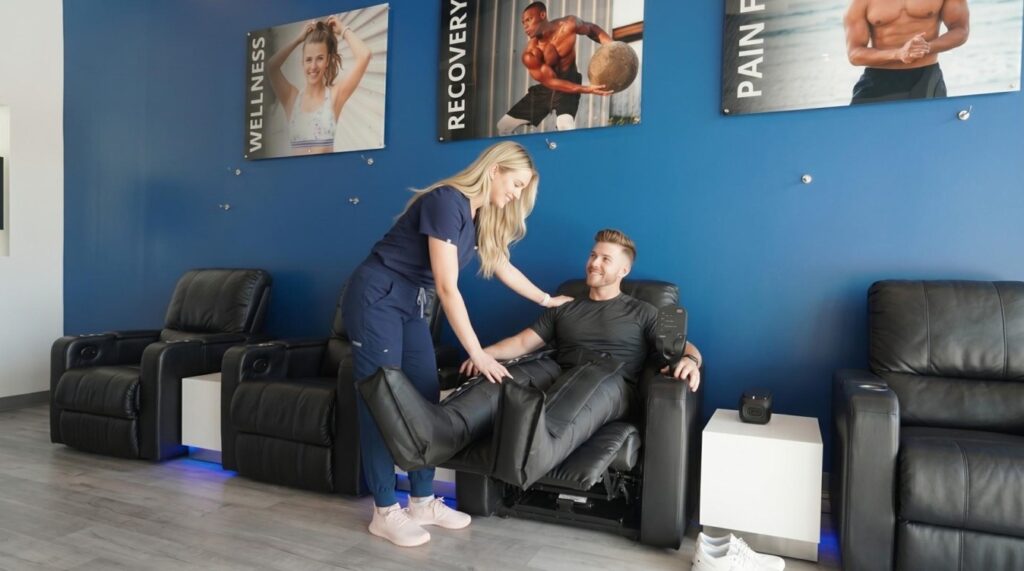
Compression therapy is a non-invasive approach that reduces swelling (edema) and supports healthier blood flow. By applying controlled pressure to the limbs, the treatment encourages fluid movement and helps venous blood return to the heart. Many people in Orlando face chronic swelling from medical conditions or after surgery; this guide reviews available treatments, how they work, and what outcomes you can expect. It also outlines best practices when choosing care in Orlando and how to arrange a personalized consultation.
Orlando clinics offer several therapies aimed at easing edema and improving circulation. Each option has specific benefits, and combining treatments can often deliver better, faster results.
Compression therapy uses specially designed garments or devices to apply graduated pressure to the limbs, improving venous return and decreasing fluid buildup. It’s especially useful for conditions like venous insufficiency and lymphedema. Patients commonly wear compression stockings or sleeves that apply higher pressure near the ankles and gradually less pressure up the leg.
Hyperbaric oxygen therapy delivers high concentrations of oxygen to tissues to support cellular metabolism and speed healing. It can enhance recovery from edema and promote repair in damaged tissues, making it a useful complement for patients undergoing extensive rehabilitation.
Red light therapy is a complementary option that uses targeted wavelengths to reduce inflammation and support circulation. By stimulating cellular repair and increasing tissue oxygenation, it can accelerate recovery when used alongside compression therapy.
Infrared sauna therapy raises tissue temperature to dilate blood vessels and boost circulation, which may help with fluid retention and overall relaxation. Used as an adjunct to compression therapy, it can aid tissue detoxification and support improved fluid balance.
Understanding how these therapies work clarifies why they help. Compression therapy applies external pressure to limit fluid pooling and encourage lymphatic drainage and venous return. This mechanical support reduces swelling and creates conditions that promote tissue healing.
Most patients report meaningful reductions in swelling and improved circulation with consistent compression therapy. Over time, many notice less discomfort, better mobility, and a higher quality of life as symptoms come under control.
Compression therapy is a medical approach that uses controlled pressure to assist blood and lymph movement. By targeting affected areas, it helps clear excess fluid, especially in the legs and feet, by guiding circulation back toward the heart and easing the discomfort associated with chronic swelling.
Compression works by gently compressing the lower limbs to boost venous return and limit fluid accumulation in tissues. This mechanical action promotes lymphatic drainage and can meaningfully reduce swelling and pain from conditions such as chronic venous insufficiency or lymphedema.
For those ready to explore treatment, consider local providers like Longevity Haus, located at 7512 Dr Phillips Blvd STE 120, Orlando, FL 32819, where personalized care and proper fitting are part of the process.
Compression therapy is particularly helpful for individuals with conditions such as:
When veins struggle to return blood to the heart, causing swelling.
Swelling that occurs when lymphatic drainage is impaired.
Swelling following surgery that benefits from controlled compression.
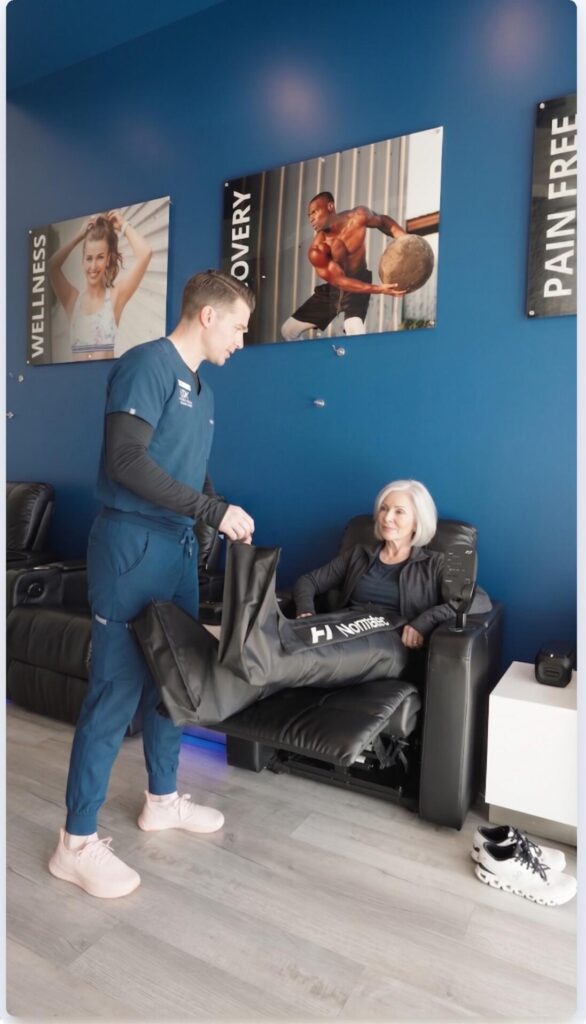
Choosing the right compression garment is key to effective treatment. Options include stockings, sleeves, and wraps, each serves different needs and offers varying compression levels.
Compression garments differ in material and graduated pressure. Stockings are clinical-grade and provide graduated compression; sleeves target specific limbs; and adjustable wraps are useful for variable swelling or wound care.
| Garment Type | Primary Material | Typical Compression |
|---|---|---|
| Compression Stockings | Nylon/Lycra blend | 15–30 mmHg |
| Compression Sleeves | Elastic | 20–30 mmHg |
| Compression Wraps | Adjustable textile | Variable |
While all these options support circulation, the best choice depends on your condition, activity level, and comfort, making a professional fitting important.
A correct fit and consistent use are essential for therapeutic benefit. Garments that are too tight or too loose can be ineffective or uncomfortable. We recommend consulting a specialist for proper measurement and guidance on wearing schedules to maximize results, see compression wear resources for details.
Compression therapy is a well-established method for managing post-surgical swelling. By controlling swelling and encouraging circulation, it supports tissue repair and can make recovery more comfortable.
In post-operative care, compression reduces swelling that could otherwise slow healing. Patients often experience reduced pain and faster recovery times when compression is part of a comprehensive rehabilitation plan.
Lymphatic drainage massage is a gentle manual technique that encourages lymph flow and complements the mechanical effects of compression. Together, they can enhance fluid movement and support smoother recovery after surgery.
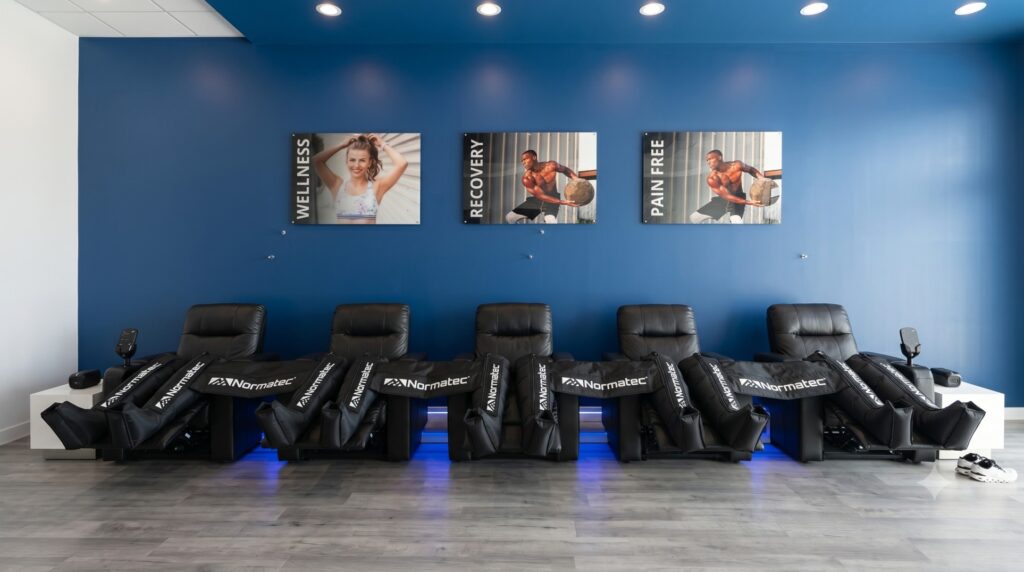
Booking a consultation is simple. Your initial visit will usually include a review of medical history, an assessment of symptoms, and a discussion of treatment goals to develop a tailored plan.
At Longevity Haus, a clinician will evaluate your concerns and recommend a personalized program. Expect a careful review of your medical background, a physical assessment, and clear recommendations for next steps.
Prepare for your appointment by gathering medical records and a current medication list. This helps clinicians create an effective plan. Appointments can be scheduled through the Longevity Haus website or by calling their office directly.
I help clients reach better health through individualized wellness plans. My approach combines listening with practical strategies that support recovery and long-term vitality. I prioritize a whole-person perspective, integrating therapies that address each client’s goals and lifestyle. My aim is to guide and empower clients toward lasting improvements in health.
Located in Orlando, Longevity Haus specializes in compression therapy and complementary treatments. Our team of experienced clinicians focuses on evidence-based care and personalized treatment plans tailored to each patient’s needs.
Patients receive compassionate support in a welcoming setting where education and follow-up are part of the care process. The team works closely with clients to optimize outcomes, adjust therapies as needed, and track progress over time.
Choosing Longevity Haus means partnering with a clinic committed to high-quality, patient-centered care. Whether you’re managing chronic swelling, recovering from surgery, or treating venous issues, we provide thoughtful, effective options to improve circulation and overall wellness.
Compression therapy is generally safe. Some people may experience mild skin irritation, pressure marks, or temporary numbness if garments don’t fit correctly. Follow your provider’s guidance on fit and wearing time, and contact your clinician if you notice persistent irritation or circulatory problems.
Duration depends on the condition. Acute swelling may require weeks to months of therapy, while chronic conditions often need ongoing use. Many patients wear compression during waking hours and remove garments at night, but your provider will tailor recommendations based on your needs.
Compression helps many people, but it isn’t appropriate for everyone. Those with severe arterial disease, certain infections, or other contraindications should avoid compression unless cleared by a medical professional. Always consult a clinician to confirm suitability based on your health history.
Yes. Compression is often combined with therapies like red light, infrared sauna sessions, or lymphatic drainage massage to amplify benefits. Discuss any combined treatment plan with your provider to ensure safety and effectiveness.
Proper care extends the life and performance of garments. Wash them according to the manufacturer’s instructions, typically cold water on a gentle cycle, and avoid fabric softeners. Inspect garments regularly for wear and replace them as recommended to maintain appropriate compression.
Signs of improvement include reduced swelling, less pain, easier movement, and a lighter feeling in the affected limbs. Regular follow-ups let your clinician monitor progress and adjust the plan to meet your goals.
Compression therapy is an effective, evidence-based option for reducing edema and improving circulation in Orlando. By understanding available treatments and working with experienced clinicians, patients can make informed choices that enhance comfort and function. To explore personalized options, visit Longevity Haus and book a consultation to begin your path to better circulation and wellness.